FSH ELISA
- Regulatory Status
- EU: CE
- Kit size
- 12 x 8
- Method
- ELISA
- Incubation time
- 1 x 30 min, 1 x 10 min
- Standard range
- 5 - 100 mIU/mL
- Specimen / Volumes
- 25 µL serum
- Substrate / isotope
- TMB 450 nm






The FSH ELISA is an enzyme immunoassay for the quantitative measurement of Follicle Stimulating Hormone (FSH) in serum.
Summary and explanation
Follicle-Stimulating Hormone (FSH) and Luteinizing Hormone (LH) are intimately involved in the control of the growth and reproductive activities of the gonadal tissues, which synthesize and secrete male and female sex hormones through a negative feedback relationship (1,2). FSH is a glycoprotein secreted by the basophil cells of the anterior pituitary. Gonadotropin-releasing hormone (GnRH), produced in the hypothalamus, controls the release of FSH from the anterior pituitary. Like other glycoproteins, such as LH, TSH, and HCG, FSH consists of subunits designated as alpha and beta. Hormones of this type have alpha subunits that are very similar structurally, therefore the biological and immunological properties of each are dependent on the unique beta subunit (3,4,5). In the female, FSH stimulates the growth and maturation of ovarian follicles by acting directly on the receptors located on the granulosa cells; follicular steroidogenesis is promoted and LH production is stimulated. The LH produced then binds to the theca cells and stimulates steroidogenesis. Increased intraovarian estradiol production occurs as follicular maturation advances, thereupon stimulating increased FSH receptor activity and FSH follicular binding. FSH, LH, and estradiol are therefore intimately related in supporting ovarian recruitment and maturation in women (6,7,9). FSH levels are elevated after menopause, castration, and in premature ovarian failure. The levels of FSH may be normalized through the administration of estrogens, which demonstrate a negative feedback mechanism. Abnormal relationships between FSH and LH, between FSH and estrogen have been linked to anorexia nervosa and polycystic ovarian disease. Although there are significant exceptions ovarian failure is indicated when random FSH concentrations exceed 40 mIU/mL (8). The growth of the seminiferous tubules and maintenance of spermatogenesis in men are regulated by FSH. However, androgens, unlike estrogens, do not lower FSH levels, therefore demonstrating a feedback relationship only with serum LH (10,11,12). For reasons not fully understood, azospermic and oligospermic males usually have elevated FSH levels. Tumors of the testes generally depress serum FSH concentrations, but levels of LH are elevated, as determined by radioimmunoassay. It has been postulated that the apparent LH increase may be caused by cross reactivity with hCG-like substances secreted by tumors of the testes (11,12). High levels of FSH in men may be found in primary testicular failure and Klinefelter syndrome. Elevated concentrations are also present in cases of starvation, renal failure, hyperthyroidism, and cirrhosis (1,3).
For concrete data please consult the Instruction for Use in the download box on the top right side.
Our comprehensive immunoassay portfolio includes a number of specialty diagnostic immunoassays for endocrinology, immunology and autoimmunity, as well as for diagnosis of multiple infectious diseases. We are pioneers and market leaders in saliva diagnostics, with over 40 years of experience supplying a broad portfolio of luminescence- and ELISA-based tests, including our highly acclaimed HMGB1 and MuSK-Ab ELISAs.
And as experts in laboratory automation, we can support our customers with the protocols for open ELISA platforms, such as the Freedom EVOlyzer or Thunderbolt®.
All products are only available for sale to laboratory professionals and may not be available in all countries. Availability and regulatory status may vary across regions depending on local country-specific registration. Please always read and follow the instructions for use.
All of our assays have been designed and manufactured to meet the highest global regulatory requirements and quality standards. Tecan is certified under ISO 9001:2015, ISO 13485:2016 and is audited by a notified body according to Medical Device Single Audit Program (MDSAP).
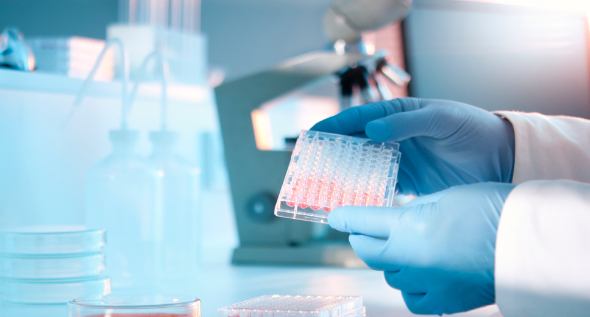
As part of the Tecan Group, we have a leading market position in diagnostics and research, with over 40 years of experience in the development, manufacture and supply of enzyme-, radiolabel- and luminescence-based immunoassays.
Our range of high-quality immunoassays is supported by a diverse portfolio of automated solutions, making us the perfect partner for you and your customers.
At Tecan, we are driven to improve people’s lives and health.