Testosterone Saliva LUM Bulk
- Regulatory Status
- EU: CE IVDR
- Kit size
- 10 x (12 x 8)
- Method
- LUM
- Incubation time
- 1 x 4h, 1 x 10min.
- Standard range
- 6.4 - 760 pg/mL
- Specimen / Volumes
- 50µL saliva/without extraction
- Substrate / isotope
- Acridium based






is intended for the quantitative measurement of testosterone in saliva in adults. Measurement of testosterone has been shown to be useful in the evaluation of hormone imbalance that results in various clinical conditions like hypogonadism (androgen deficiency) in men and hypergonadism (excess of androgen hormones) e.g. polycystic ovaries in women. Use of non-invasive sample types from saliva make the test suitable for frequent sampling and testing of testosterone levels.
The Testosterone Saliva Luminescence Immunoassay is based on the competition principle and measured on a microtiter plate luminescence reader. The assay is semi-automated requiring general purpose laboratory instruments and consumables such as luminescence microplate reader/washer, vortexer and pipettes to execute the test. Test results may be calculated manually from a standard curve and compared to laboratory established reference ranges from healthy adults (i.e. normal ranges).
The test kit is intended for professional laboratory use by trained personnel. The test kit is not for home or lay person use. The device is not intended for point-of-care settings.
Testosterone is a C19-steroid and plays an important role in the human body. It is also considered a pleiotropic hormone [1], meaning it affects different phenotypes and plays an important role in the human body. In men testosterone is produced by the testes as well minimally by the adrenal cortex. While in women the testosterone level is secreted from the adrenal cortex (25%) and the ovarian stroma (25%), the remaining testosterone production occurs in peripheral tissues such as bone, breast, muscle and fat [2]. In healthy individuals the testosterone level follows a diurnal rhythm with a peak in the morning hours and low levels throughout the day [3]. Roughly 2% of free testosterone are present in the plasma of healthy individuals with 38% albumin-bound testosterone, and 60% sex hormone-binding globulin (SHBG)-bound testosterone, while the non–protein-bound steroid hormone fraction is biologically active [4; 5]. The free testosterone is released by the salivary glands, which is clinically relevant [6]
The concentration of testosterone in saliva reflects the level of free testosterone in serum [7].
As mentioned above testosterone is no exception within steroid hormones as concentrations follow a diurnal rhythm [8], thus, sampling time and number of samples is crucial in a clinical setting to reliable evaluate the peak and baseline level of testosterone individually. It is recommended to take samples in the morning and multiple samples should be taken to confidently interpretate the testosterone level.
Measurement in men is used to diagnose clinical hypogonadism, while in women it is applied as an aid to diagnoses hyperandrogenic states e.g., hirsutism (excessive hair), ovarian failure [9] or virilization (masculinization) [10].
For concrete data please consult the Instruction for Use in the download box on the top right side.
Our comprehensive immunoassay portfolio includes a number of specialty diagnostic immunoassays for endocrinology, immunology and autoimmunity, as well as for diagnosis of multiple infectious diseases. We are pioneers and market leaders in saliva diagnostics, with over 40 years of experience supplying a broad portfolio of luminescence- and ELISA-based tests, including our highly acclaimed HMGB1 and MuSK-Ab ELISAs.
And as experts in laboratory automation, we can support our customers with the protocols for open ELISA platforms, such as the Freedom EVOlyzer or Thunderbolt®.
All products are only available for sale to laboratory professionals and may not be available in all countries. Availability and regulatory status may vary across regions depending on local country-specific registration. Please always read and follow the instructions for use.
All of our assays have been designed and manufactured to meet the highest global regulatory requirements and quality standards. Tecan is certified under ISO 9001:2015, ISO 13485:2016 and is audited by a notified body according to Medical Device Single Audit Program (MDSAP).
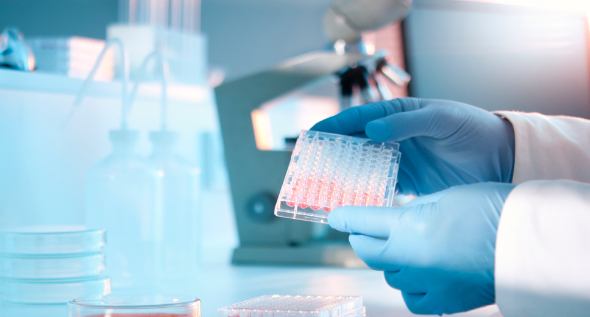
As part of the Tecan Group, we have a leading market position in diagnostics and research, with over 40 years of experience in the development, manufacture and supply of enzyme-, radiolabel- and luminescence-based immunoassays.
Our range of high-quality immunoassays is supported by a diverse portfolio of automated solutions, making us the perfect partner for you and your customers.
At Tecan, we are driven to improve people’s lives and health.