





Longevity Biomarkers
for Healthy Aging.
Solutions for Preventive and Personalized Healthcare.
Longevity medicine creates new opportunities for laboratories to support preventive and personalized healthcare. Advanced biomarker testing enables laboratories and practitioners to assess biological aging, monitor intervention outcomes and deliver individualized strategies for healthy aging and disease prevention.
What is longevity?
Longevity focuses on extending healthspan – the years lived in good health – through proactive and personalized healthcare strategies. Lifestyle changes, nutrition, targeted therapies and preventive interventions can support healthier aging, while biomarker testing helps monitor biological aging and guide individualized health programs.1
Why biomarkers matter in longevity medicine.
Longevity medicine aims to extend healthspan through proactive and personalized healthcare. Biomarkers provide valuable insight into biological aging processes, helping practitioners assess inflammation, hormonal balance, muscle health, stress and brain resilience and metabolic function.
Advanced biomarker testing supports:
- Early risk assessment
- Personalized health strategies
- Monitoring of lifestyle interventions
- Longitudinal patient follow-up
- Preventive and precision medicine programs
Biomarkers.
In the following sections, we will examine key biomarkers, including DHEA and cortisol, Titin, alpha-Klotho, Free 25-OH Vitamin D, suPAR and sIL-2R. We will discuss their individual characteristics, unique value and relevance to longevity, highlighting their connections to healthy aging.
Longevity can be measured using various biomarkers which help us better understand biological age compared to chronological age.
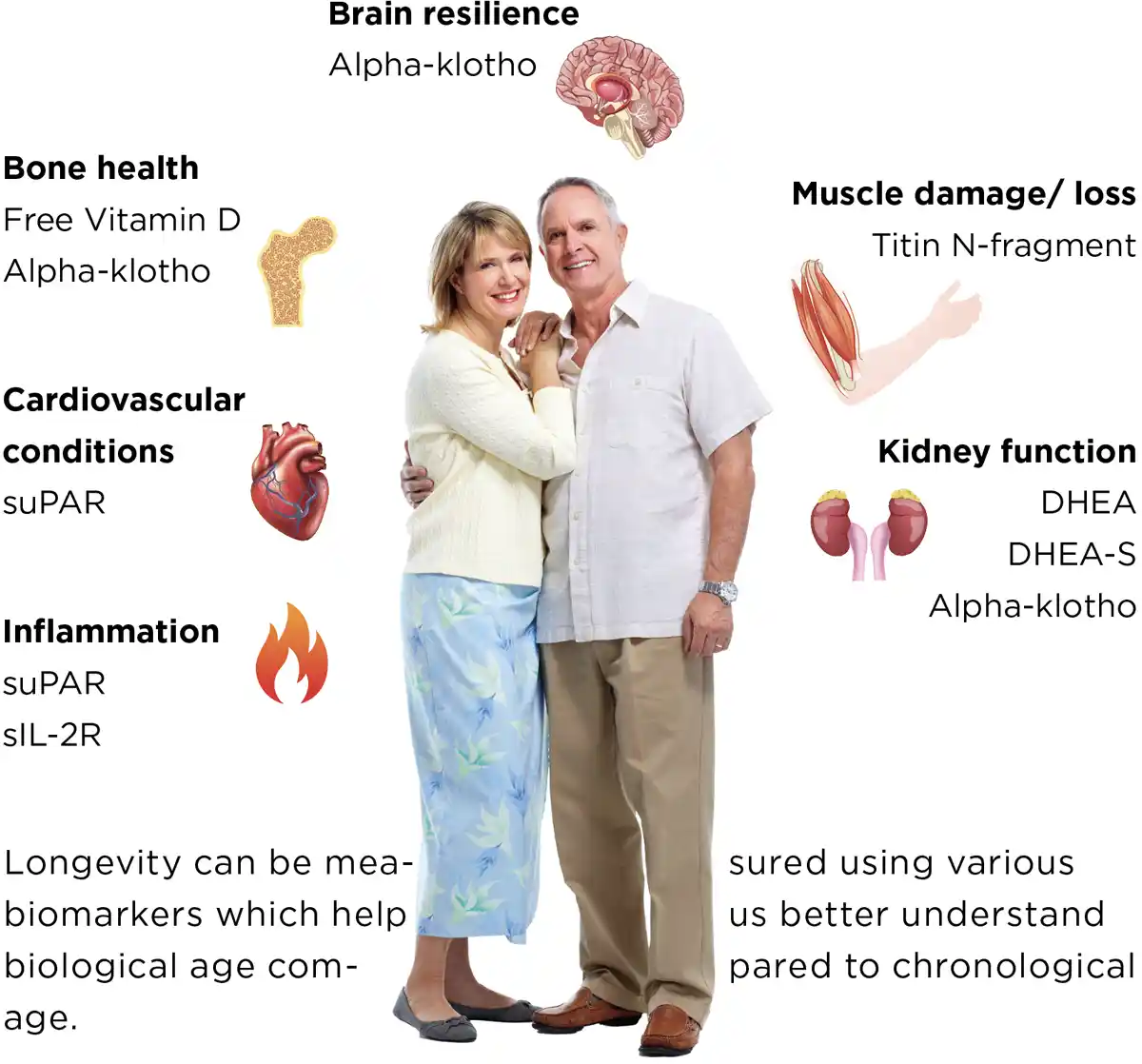
Figure 1: Longevity concept for the laboratory
Key Biomarkers for Healthy Aging.
DHEA: The anti-aging hormone.
DHEA (dehydroepiandrosterone) and its sulphate ester DHEA-S serve as key precursors for testosterone and estrogens. Levels rise during adrenarche, peak in early adulthood and then decline steadily with age, reaching extremely low levels by age 80. This marked age-related decrease is why DHEA and DHEA-S are often called "anti-aging hormones".
DHEA and cortisol balance.
DHEA demonstrates immunomodulatory, antidiabetic, neuroprotective and potential anti-aging effects.2 Aging triggers a hormonal shift — DHEA-S decreases while cortisol rises — affecting brain, bone and cardiovascular health.3 Studies, including Heaney et al., 2012,4 show that decreased DHEA and a higher cortisol/DHEA ratio are linked to cognitive and immune impairments, reduced daily functioning and increased infection risk in older adults under chronic stress.
Steroid hormone assessment from saliva allows the specific determination of the biologically active ("free") fraction of target hormones. Non-invasive saliva sampling enables convenient longitudinal monitoring and supports patient compliance in preventive health programs.
Highly sensitive and validated saliva immunoassays, with clearly defined normal values, enable reliable and convenient assessment of biologically active steroid hormones.
Measurement of DHEA and cortisol provides quantitative data on adrenal hormone levels, supporting the assessment of adrenal function and hormone balance. DHEA measurement also aids in evaluating hormone imbalances and physiological status in adults.
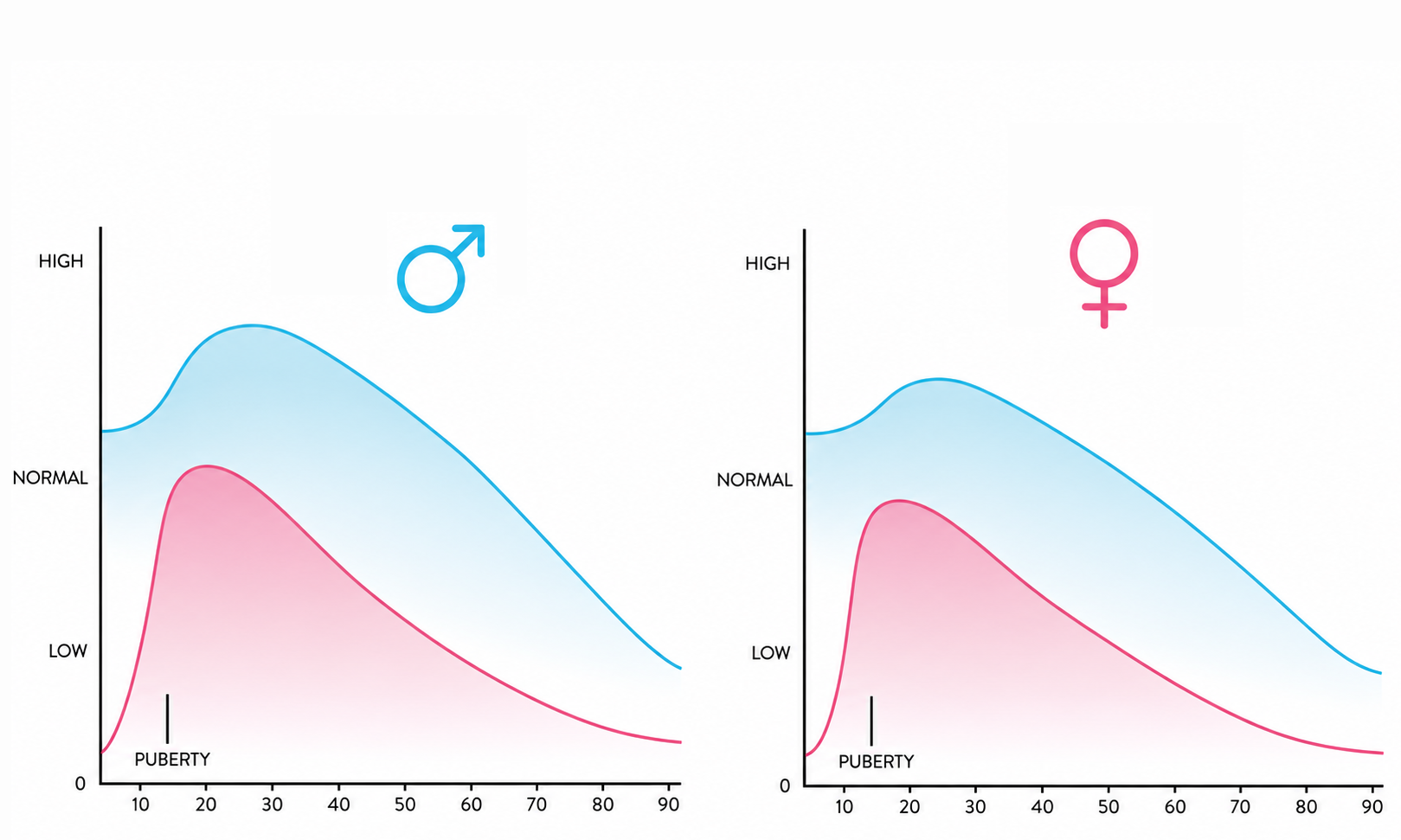
Figure 2: DHEA and cortisol levels decrease with age.
| Product | REF | Status |
|---|---|---|
| Dehydroepiandrosterone (DHEA) Saliva ELISA | RE52651 | CE IVDR |
| Cortisol saliva ELISA | RE52611 | CE IVDR |
| Cortisol saliva Luminescence Immunoassay | 30221150 / 30221151 | CE IVDR |
Titin: The giant protein.
Titin is the largest protein (3,800 kDa) in the human body and is found in muscle cells. It acts like a spring, helping muscles stretch and then return to their normal shape. Titin plays a key role in making muscles strong and flexible.
Titin in the context of longevity.
Loss of muscle mass and function (sarcopenia) is one of the major drivers of frailty and loss of independence during aging. Titin N-Fragment is an emerging biomarker of muscle degradation that enables early assessment and monitoring of muscle health.
Sarcopenia is defined as follows:
- Age-related disease involving progressive loss of skeletal muscle mass, strength and physical function.
- Diagnosable and treatable condition, with muscle mass index as a key measurement tool.
- It affects approximately 16–29% of individuals over 80 years of age.
Titin N-Fragment can be measured in urine or serum as a biomarker of interest in research related to muscle protein turnover and skeletal muscle biology.
Sarcopenia, frailty and muscle decline are active areas of scientific research, with studies investigating factors such as nutrition and physical activity. Urine and serum-based assays provide laboratories with tools for the quantitative measurement of Titin N-Fragment.
Sarcopenia and frailty are not inevitable. Evidence highlights the preventive impact of a protein-rich diet, vitamin D and targeted exercise.6, 7
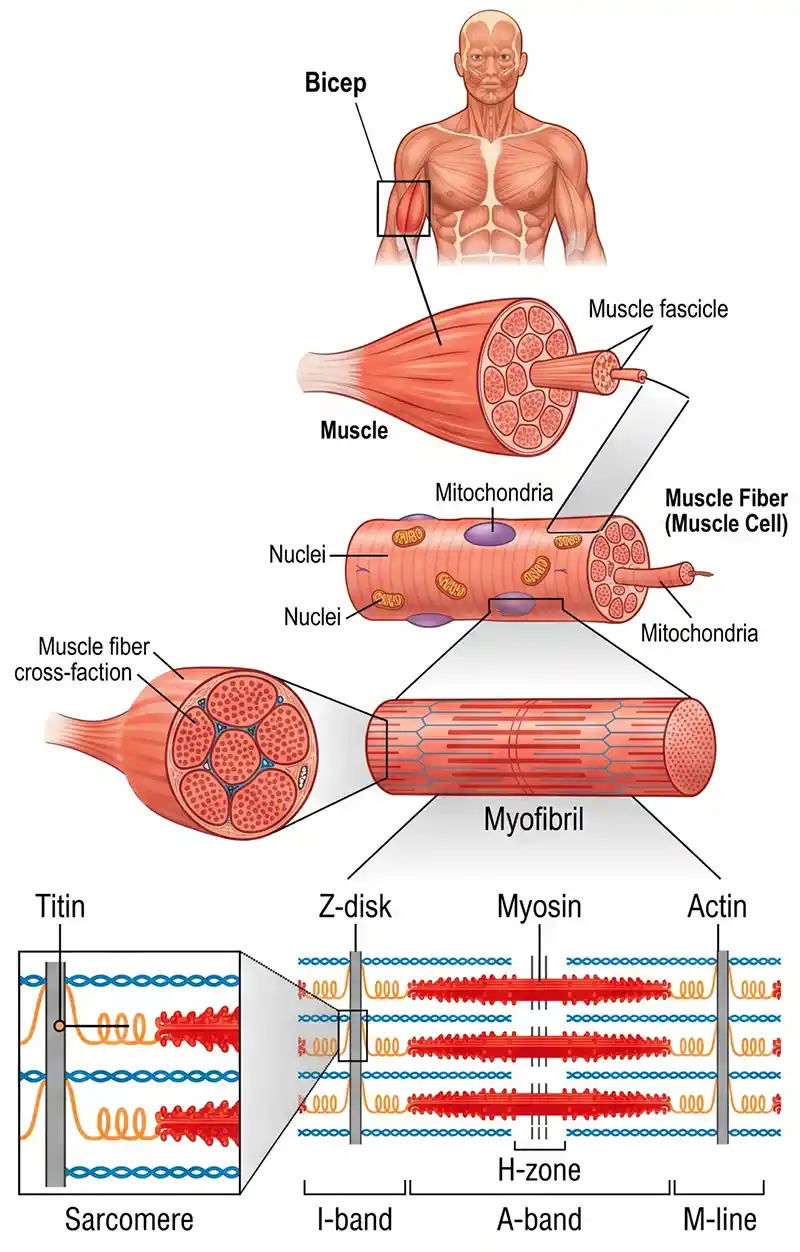
Figure 3: Titin as part of the muscles5
| Product | REF | Status |
|---|---|---|
| Titin N-Fragment (urine) ELISA * | 30124254 | RUO |
| Titin N-Fragment (serum) ELISA * | 30229554 | RUO |
α-Klotho: The name says it all.
α-Klotho, named after the Greek myth Clotho, who spins the thread of life, is widely recognized as a longevity-associated protein linked to kidney function, vitamin D metabolism and cognitive resilience. Reduced α-Klotho levels have been associated with age-related decline and chronic disease.
Altered α-Klotho levels have been associated with kidney dysfunction,8, 9 metabolic disease and age-related decline, highlighting its relevance as a biomarker in longevity research.
Several studies10–12 have shown that elevated alpha-Klotho levels can be linked to improved cognitive and brain resilience. People with higher levels have been shown to be less prone to any type of brain damage, including infections and neurodegenerative diseases.
Recent research from the FIT-AGEING study13–15 in Spain shows that engaging in moderate physical activity is the most effective way to boost alpha-Klotho. In contrast, both a sedentary lifestyle and excessive exercise fail to deliver the same benefits.
α-Klotho is a biomarker of interest in research related to aging biology and cellular processes. Widely used in aging and longevity research,13–15 the IBL-Japan α-Klotho ELISA is a well-established assay, cited in over 400 publications for soluble α-Klotho measurement.
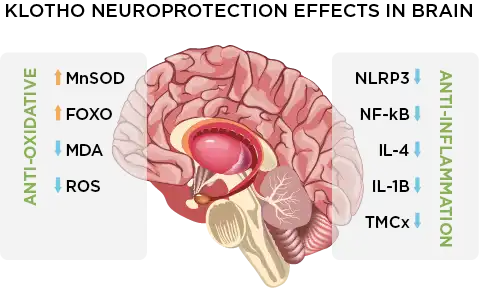
Figure 4: Neuroprotective Effects of Klotho (adapted from Hosseini et al. 2024)10
MnSOD: Manganese Superoxide Dismutase | FOXO: Forkhead Box O | MDA: Malondialdehyde | ROS: Reactive Oxygen Species | NLRP3: NOD-like Receptor Protein 3 | NF-κB: Nuclear Factor kappa-light-chain-enhancer of activated B cells | IL-4: Interleukin 4 | IL-18: Interleukin 18 | TMCx: Transmembrane Channel-like protein x
| Product | REF | Status |
|---|---|---|
| Soluble alpha-Klotho ELISA * | JP27998 | RUO |
| Secreted alpha-Klotho ELISA * | 30218642 | RUO |
Free 25-OH Vitamin D: A more accurate view of Vitamin D status.
Vitamin D plays an important role in bone health, immune function and overall well-being. Accurate assessment of vitamin D status is therefore an important part of patient evaluation.
Total 25-OH vitamin D measurement may not fully reflect vitamin D bioavailability in all individuals. Measurement of free 25-OH vitamin D provides additional insight into the biologically active fraction and supports a more personalized assessment of vitamin D status.16
While vitamin D supplementation is common, individual needs can vary greatly. Regular monitoring — combined with nutrition and lifestyle considerations — helps support optimal vitamin D balance and more personalized health management.
The free 25-OH Vitamin D ELISA is an easy and robust assay for direct and reliable measurement of free 25-OH vitamin D in serum samples.
| Product | REF | Status |
|---|---|---|
| Free 25-OH Vitamin D ELISA * | 30113750 | CE IVDD |
suPAR: Biomarker of chronic inflammation.
suPAR (soluble urokinase Plasminogen Activator Receptor) is a protein found in blood, reflecting the level of immune system activity. It is the shed membrane-bound receptor uPAR from immune and senescent (aged) cells.
Chronic low-grade inflammation ("inflammaging") is a major driver of biological aging and age-related disease.17 suPAR is an innovative biomarker reflecting persistent immune activation and systemic inflammation.
Elevated suPAR signals faster aging, increased disease risk and higher mortality, while low levels reflect robust health and slower aging. suPAR's predictive power surpasses traditional markers, offering actionable insights — levels can be lowered through lifestyle changes such as exercise, diet, stress management and smoking cessation.18, 19
Unlike traditional inflammatory markers, suPAR provides long-term insight into biological aging processes and supports risk stratification, preventive health assessment and monitoring of lifestyle interventions.
| Product | REF | Status |
|---|---|---|
| suPARnostic ELISA* | VG51001 | CE IVDD |
sIL-2R: Marker for T-cell activation.
The soluble Interleukin-2-Receptor ELISA is intended for the quantitative determination of human soluble IL-2 receptor (sIL-2R) in serum and plasma (EDTA, citrate, heparin). sIL-2R levels can be used as a physiological marker for the indication of inflammation in the body, in-vivo immune system activation and response activity.
The interleukin-2 receptor (IL-2R) is a monomeric, heterodimeric or trimeric protein expressed on the surface of certain immune cells like lymphocytes that binds and responds to a cytokine called IL-2. Interleukin-2 (IL-2) is a body-own signaling molecule mainly produced by activated T-cells.
The soluble Interleukin-2-Receptor ELISA (sIL-2R) provides quantitative determination of soluble IL-2 receptor levels in human serum and plasma samples and supports the assessment of inflammation and immune system activation.
| Product | REF | Status |
|---|---|---|
| Soluble Interleukin-2-Receptor ELISA (sIL-2R) | 30201813 | CE IVDR |
Longevity Biomarker Solutions for Laboratories.
Tecan supports laboratories with biomarker testing solutions for aging and longevity research, as well as laboratory-developed and in vitro diagnostic applications where appropriate.
Your benefits
- Broad portfolio of biomarkers relevant to aging and longevity research
- High-quality research and clinical laboratory assays
- Scientific expertise and application support
- Flexible solutions to support evolving biomarker testing requirements
Applications include
- Measurement of biomarkers associated with biological aging studies
- Evaluation of biomarker changes in lifestyle and intervention studies
- Investigation of biomarkers related to stress response and cognitive health research
- Assessment of biomarkers associated with muscle health and physical function studies
- Support for nutrition, wellness and healthy aging research programs
- Biomarker testing solutions for population health and preventive health research initiatives
Availability and regulatory status may vary across regions depending on local country specific registration.
* Distributed by Tecan, IBL International GmbH | RUO: Research Use Only, not for use in clinical diagnostics.
References
- Translated from German sources: deutsche-longevity-gesellschaft.de; vitagesundheit.de
- Yen SS. Dehydroepiandrosterone sulfate and longevity: new clues for an old friend. Proc Natl Acad Sci U S A. 2001;98(15):8167-9.
- Laughlin GA, Barrett-Connor E. J Clin Endocrinol Metab. 2000;85:3561–3568.
- Heaney JL, Phillips AC, Carroll D. Ageing, physical function and the diurnal rhythms of cortisol and dehydroepiandrosterone. Psychoneuroendocrinology. 2012;37(3):341-349.
- Nakanishi N et al. Urinary Titin N-Fragment as a Biomarker of Muscle Atrophy. J Clin Med. 2021;10(4):614.
- Kakehi S et al. Rehabilitation Nutrition and Exercise Therapy for Sarcopenia. World J Mens Health. 2022;40(1):1–10.
- Yamaguchi S et al. Changes in urinary titin N-terminal fragment concentration after concentric and eccentric exercise. J Sports Sci Med. 2020;19(1):121.
- Hu MC et al. Recombinant α-Klotho may be prophylactic and therapeutic for acute to chronic kidney disease. Kidney Int. 2017;91(5):1104–1114.
- Lee EY et al. Soluble α-klotho as a novel biomarker in the early stage of nephropathy. PLoS One. 2014;9(8):e102984.
- Hosseini L et al. Klotho: molecular mechanisms and emerging therapeutics in CNS diseases. Mol Biol Rep. 2024;51(1):913.
- Yokoyama JS et al. Systemic klotho is associated with KLOTHO variation and predicts intrinsic cortical connectivity. Brain Imaging Behav. 2017;11(2):391–400.
- Shardell M et al. Plasma Klotho and Cognitive Decline in Older Adults: InCHIANTI Study. J Gerontol A Biol Sci Med Sci. 2016;71(5):677–682.
- Amaro-Gahete FJ et al. Exercise training increases S-Klotho plasma levels: FIT-AGEING study. J Sports Sci. 2019;37(19):2175–2183.
- Amaro-Gahete FJ et al. Association of physical activity and fitness with S-Klotho plasma levels: FIT-AGEING study. Maturitas. 2019;123:25–31.
- Navarro-Lomas G et al. Exercise-induced changes in plasma S-Klotho levels: FIT-AGEING study. J Physiol Biochem. 2024;80(2):317–328.
- Tsuprykov O et al. Why should we measure free 25(OH) vitamin D? J Steroid Biochem Mol Biol. 2018;180:87–104.
- Rasmussen LJH et al. Soluble Urokinase Plasminogen Activator Receptor (suPAR) as a Biomarker of Systemic Chronic Inflammation. Front Immunol. 2021;12:780641.
- Eugen-Olsen J et al. Plasma suPAR is lowered by smoking cessation. Eur J Clin Invest. 2016;46(4):305–311.
- Langkilde A et al. Increased plasma soluble uPAR level is a risk marker of respiratory cancer. Cancer Epidemiol Biomarkers Prev. 2011;20(4):609–618.